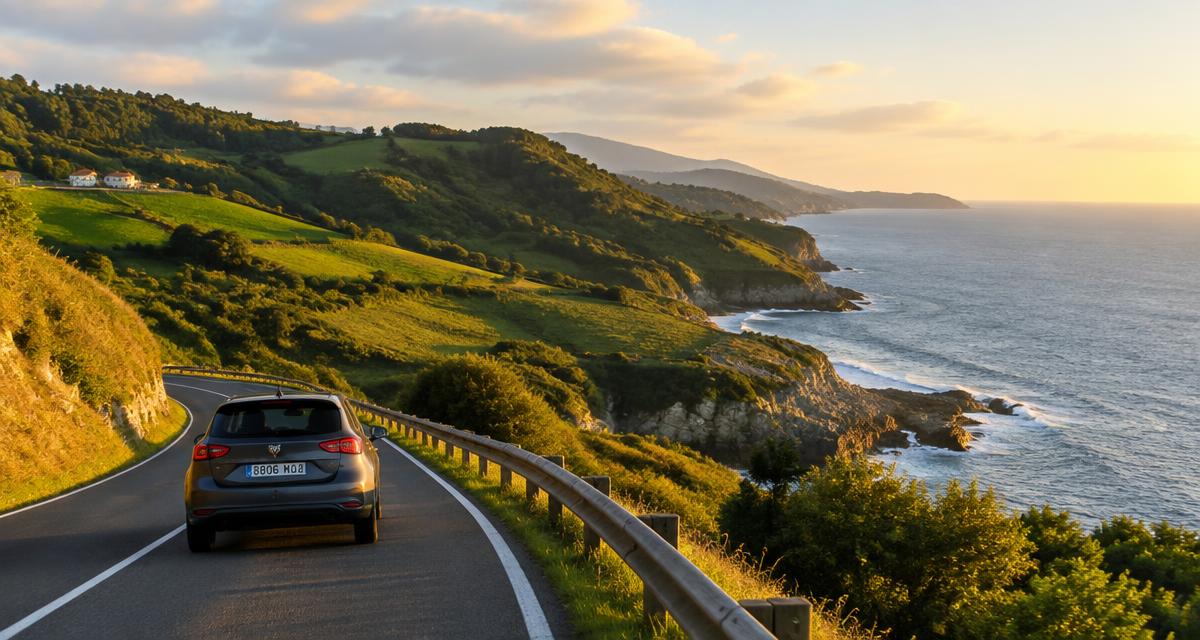
Driving from the UK to Spain is one of the classic European road trips. You get the freedom of your own car on arrival, you can pack far more than an airline allows, and the journey itself can be part of the holiday. The trade-off is time and planning: there are several ways across the water, a lot of France to cross, and costs that add up quickly if you don't plan them.
This guide walks through the main choices so you can decide which approach suits your trip, then build it into a realistic multi-stop route.
Choosing how to cross: short sea vs direct to Spain
There are two broad strategies. Each has a very different effect on how much driving you do.
Short crossing to northern France
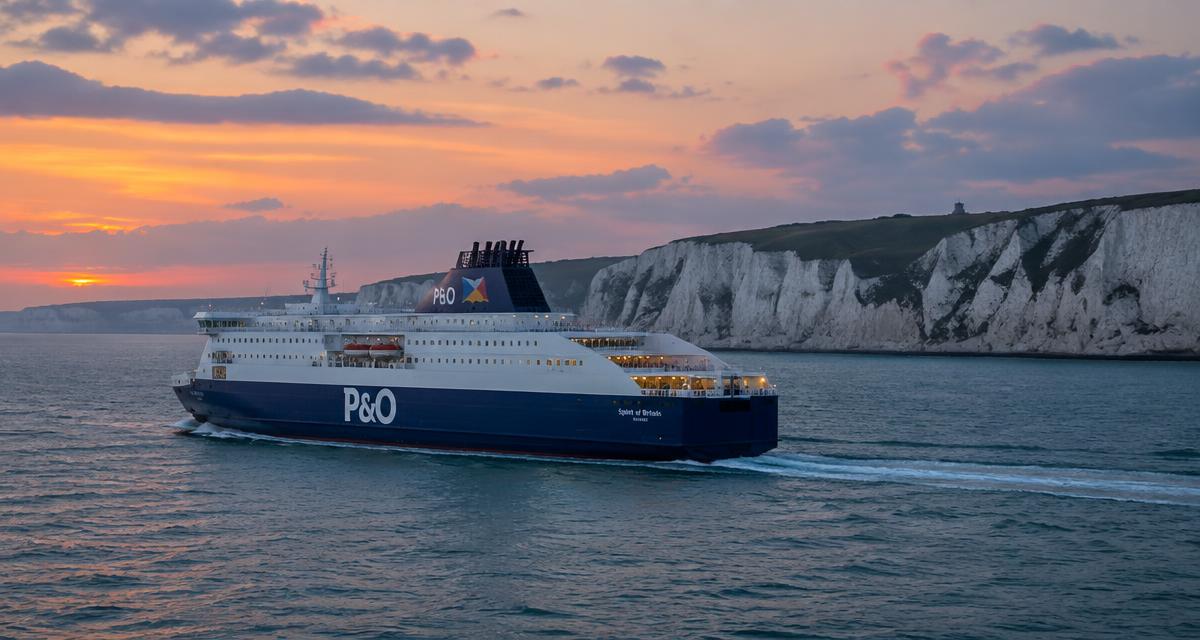
Ferries from Dover to Calais or Dunkirk, or Eurotunnel Le Shuttle from Folkestone, take you across in roughly 35 minutes to 2 hours. They usually offer the most departures and the most flexibility. The catch is that you then face a long drive through France – typically well over 1,000 km from Calais to the Spanish border, depending on where you're heading.
Western Channel crossings
Routes from Portsmouth, Poole or Plymouth to Normandy or Brittany (for example Caen, Cherbourg, Le Havre, St Malo or Roscoff) put you further west and south. That can cut a significant chunk off the French drive, especially if you're aiming for the Atlantic coast or the western Pyrenees.
Direct ferries to northern Spain
Longer crossings from Portsmouth or Plymouth to Santander or Bilbao take the best part of a day or overnight, but land you straight in Spain. They avoid most French motorway tolls and fuel, and suit people heading to northern Spain, or anyone who would rather relax on board than drive for two days. Our European road trip ferry guide explains cabins, vehicle dimensions and how crossings affect your plans in more detail.
A popular compromise is to drive out through France and come back on a direct Spain–UK ferry, or vice versa. A2B lets you choose a different outbound and return crossing and only counts the road sections you'll actually drive.
Driving through France
If you cross the Channel, France will be most of your journey. The main decision is motorway (autoroute) versus national and local roads.
- Autoroutes are fast, well maintained and have regular service areas (aires), but most are tolled.
- Toll-free routes (N roads and D roads) are cheaper and more scenic, but noticeably slower and pass through many towns and roundabouts.
- A common western corridor runs down through Rouen or Le Mans towards Tours, Poitiers and Bordeaux, then on to the Spanish border near Biarritz and Irun.
- Heading for eastern Spain or Catalonia, people often go further east via Paris or Orléans, Clermont-Ferrand or Lyon, then down towards Montpellier and Perpignan.
Routes into northern Spain
Where you enter Spain shapes the rest of the trip:
- Western border (Hendaye/Irun): ideal for San Sebastián, Bilbao, the Basque Country, Cantabria and on towards Asturias and Galicia.
- Central Pyrenees crossings: slower mountain roads with memorable scenery, suited to anyone with time to spare. See our guide to notable driving roads in Europe for the Pyrenees.
- Eastern border (Le Perthus/La Jonquera): the natural route to Girona, Barcelona and the Mediterranean coast.
Approximate journey considerations
Rather than quoting fixed times, it helps to think in driving days. On motorways, many drivers are comfortable covering 600–800 km a day with breaks. On smaller roads, or with children, 400–500 km is more realistic. Calais to the Spanish border is commonly split over two days, with an overnight stop somewhere around the Loire Valley or Bordeaux.
Add time for the crossing itself, check-in (often 45–90 minutes before departure for ferries), border checks, traffic around big cities, and summer weekend congestion on the main holiday routes.
Tolls
French autoroute tolls can be one of the biggest single costs of the trip, and the total depends heavily on your route and vehicle class. Many Spanish motorways are now toll-free, but some sections still charge. Options to consider:
- Pay at the booth by card (most accept UK cards).
- Use an electronic toll tag, which uses dedicated lanes and can save queuing in busy periods.
- Mix tolled and toll-free roads – for example use motorways for long straight stretches and local roads for scenic sections.
Fuel
Fuel prices vary between countries and between motorway and supermarket forecourts. Motorway stations are usually the most expensive; supermarket fuel stations just off the motorway are often cheaper. Many unmanned pumps in France require chip-and-PIN cards, so keep an alternative payment method handy. If you drive an EV, plan charging stops around fast chargers on your route and check which apps or cards they accept.
Driving requirements
Rules change, so always check official government guidance before you travel. Typical things UK drivers need to think about include:
- A valid UK photocard driving licence and your passport.
- Your vehicle log book (V5C) or authorisation to use a hire or lease car.
- Valid insurance that covers driving abroad, and ideally European breakdown cover.
- A UK sticker or UK identifier on the number plate.
- Headlamp beam adjustment where needed.
- Equipment requirements such as a warning triangle and reflective jackets, which vary by country.
- Low-emission zone rules in some French and Spanish cities, which may need a sticker or registration in advance.
Work out what this trip will cost
Fuel, tolls, crossings, hotels and food — calculated for your car.
Plan my road tripSuggested stops
Breaking the journey makes it far more enjoyable. Some commonly used overnight or sightseeing stops include:
- Rouen or Honfleur in Normandy, handy after a western Channel crossing.
- The Loire Valley (Tours, Amboise, Saumur) for châteaux and wine.
- Bordeaux and the Arcachon Basin, with the Dune du Pilat nearby.
- Biarritz or Saint-Jean-de-Luz, just before the Spanish border.
- San Sebastián and Bilbao on arrival in Spain.
- Carcassonne if you're taking an eastern route towards Barcelona.
Practical planning advice
- Decide your crossing first – it determines where every driving day starts and ends.
- Plan nights around realistic driving limits rather than squeezing in extra distance.
- Budget for tolls, fuel, accommodation, food and the crossing together, so there are no surprises.
- Book ferries early for school holidays; cabins on long crossings sell out.
- Keep some flexibility – a spare half-day absorbs traffic and delays.
For a full pre-trip list covering insurance, parking and navigation, work through how to plan a European road trip. When you're ready, you can use the A2B trip planner to add your stops, pick outbound and return crossings, and see estimated fuel, toll and accommodation costs for the whole route.