The question most people ask before driving abroad isn't which route is prettiest — it's "what will this actually cost?" Fuel is only part of the answer. Ferries or the Channel Tunnel, motorway tolls and the nights you spend on the way often add up to more than the fuel itself.
This guide breaks a road trip into its four big costs, shows rough worked examples, and then walks you through using the free A2B Trip Planner to get a figure for your own car and route.
The four costs that make up a road trip
1. Fuel or charging
Fuel cost depends on distance, your car's real-world economy and the price per litre in each country you drive through. Prices in France, Spain and Germany are often different from the UK, so filling up in the right place can matter. Motorway speeds, a full load or a roof box usually make real economy worse than the official figure.
- Rough formula: miles ÷ MPG × 4.546 = litres needed, then × price per litre.
- Example: 1,600 miles at 45 MPG ≈ 162 litres. At about £1.50 a litre that's roughly £240.
- Electric cars: miles ÷ miles-per-kWh × price per kWh. Rapid chargers abroad can cost far more than charging at home.
2. The crossing
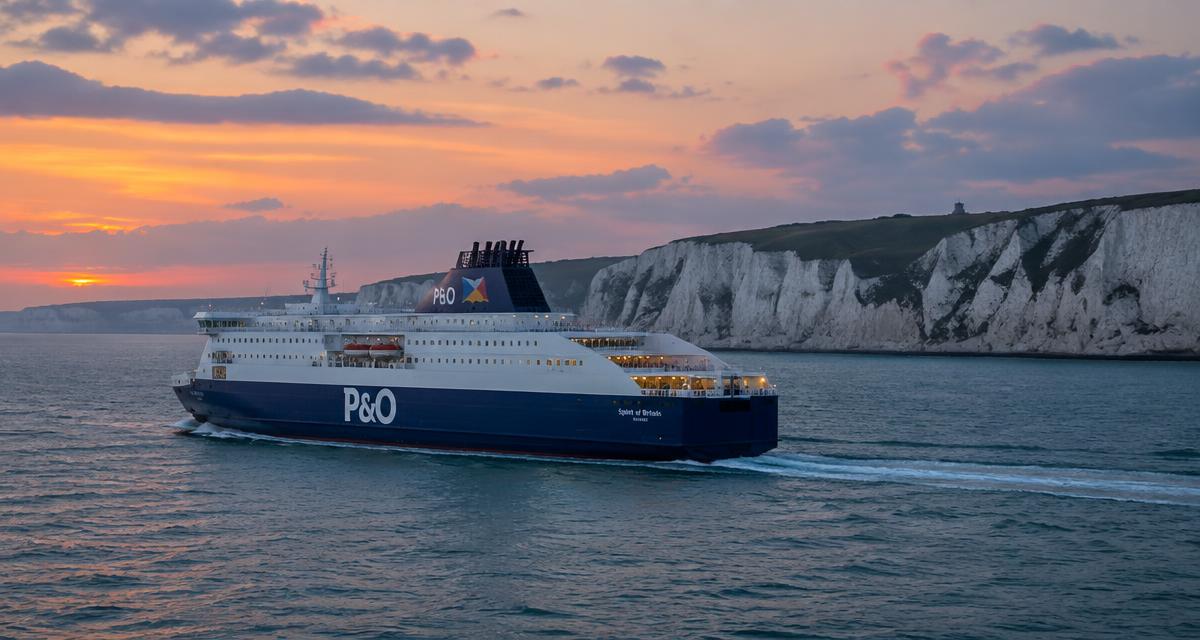
Short Dover–Calais ferries and Eurotunnel Le Shuttle are usually the cheapest way across, but leave you with more driving. Longer crossings to Normandy, Brittany or northern Spain cost more and may need a cabin, but save fuel, tolls and a night or two on the road. Prices change heavily with season, day and how early you book. Our ferry guide compares the options.
3. Tolls and road charges
French and Spanish motorways (autoroutes and autopistas) are largely tolled, and Italy charges by distance too. Switzerland and Austria use vignettes (a sticker or digital pass) instead, and some cities have low-emission zones that need a sticker such as France's Crit'Air. Avoiding tolls is possible but slower.
- Calais to the Spanish border on French autoroutes can cost well over £60 one way in a car.
- Swiss vignette: one fixed price for the calendar year, needed on all motorways.
- Camper vans and cars towing a caravan usually pay a higher toll class.
4. Overnight stops
Few people drive to southern Europe in a single day, so the nights on the way are a real cost. A simple budget roadside hotel in France can be modest; a city centre or peak-season stay costs far more. Add food and drink for each day you're travelling too.
A long ferry that sails overnight can replace a hotel night. When comparing a short crossing with a long one, include the extra hotel nights and fuel the short crossing creates.
Worked example: London to Barcelona
These are illustrative round figures for two people in a petrol car averaging 45 MPG, driving out and back via Dover–Calais. Your real numbers will differ — that's what the calculator is for.
- Distance: about 1,800 miles return.
- Fuel: about 180 litres — roughly £270.
- Ferry: Dover–Calais return — often £150 to £300 depending on dates.
- Tolls: French and Spanish motorways both ways — roughly £150 to £200.
- Overnight stops: two nights on the way (one each direction) at around £80 — £160.
- Total before your holiday stay: roughly £730 to £930, or £365 to £465 each.
Swap the short crossing for a direct ferry to Santander or Bilbao and fuel, tolls and travel nights drop sharply, but the ferry fare and cabin rise. Which is cheaper depends on your dates — the easiest way to find out is to cost both. Our UK to Spain guide covers the routes in more detail.
Work out what this trip will cost
Fuel, tolls, crossings, hotels and food — calculated for your car.
Plan my road tripHow to use the A2B cost calculator
The planner on the home page is free and works without an account. It's split into tabs; a tick appears on each one once it's filled in.
Step 1: Route
Type your start and destination and pick from the suggestions, or tap the map to choose a spot. Add stops along the way and drag them into order. The planner works out real road distance and drive time, and if you choose a ferry or car train only the roads you actually drive are counted.
Step 2: Car
Search for your make and model and tap Find MPG. You'll see a list of versions — year, engine and fuel type — so you can pick the one that matches your car. You can also type your own MPG. Petrol, diesel, hybrid, plug-in hybrid and electric are all supported. Driving a campervan, motorhome or towing? Turn on the large-vehicle switch and enter its size so the route avoids low bridges and narrow roads where possible.
Step 3: Crossing
Choose your outbound ferry or car train from the list of common routes, each with a typical car-and-driver price you can change. You can pick a different crossing for the way home, or enter your own if you've already booked.
Step 4: Nights and hotels
Enter how many nights you're away and your nightly budget, or set the nights for each place on your route individually.
Step 5: Extras and assumptions
Add tolls, vignettes, low-emission stickers, food, activities and an optional hire car cost. The assumptions panel lets you change every number the maths uses — fuel price for each country, a real-world MPG adjustment, the exchange rate and a contingency percentage.
Step 6: Read your results
You'll see the total, the cost per person and per mile, and a breakdown for fuel, crossing, hotels, food, tolls and extras. Open the trip summary to print or save it as a PDF, share it with your travel companions, or sign in to save it and come back later.
Not sure where to go? The Inspiration page suggests destinations on a map, and the route tab can suggest Fastest, Scenic, Driving Enthusiast and Balanced options with a Route Score for each.
Ways to bring the cost down
- Travel outside school holidays — crossings and hotels can drop dramatically.
- Compare a short crossing plus more driving against a long ferry; include hotel nights and tolls in both.
- Fill up where fuel is cheapest on your route rather than at motorway service areas.
- Split costs: the per-person figure makes it easy to share fairly.
- Pack light and remove roof boxes when not needed to improve economy.
For documents, insurance and what to pack, read our road trip planning checklist. Prices in this guide are rough examples only — always check current fares, tolls and fuel prices before you travel.