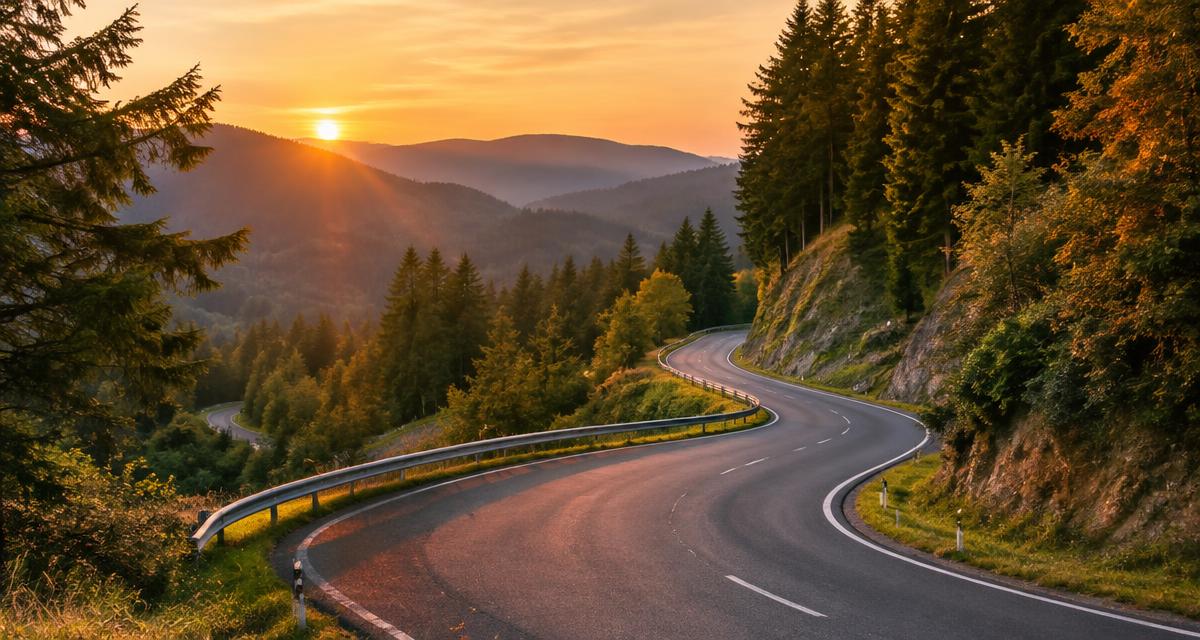

The North Coast 500 is often described as Scotland's answer to Route 66, but the best way to approach it is as a Highland journey rather than a race to complete a mileage target. The signed touring route makes a loop from Inverness around the north coast, with single-track roads, mountain passes, beaches, fishing villages and long stretches where the landscape is the main event.
This guide is based on my own April trip, travelling clockwise around the Highlands in the two cars pictured above. We made the journey part of a longer road trip, staying in Peebles and Loch Lomond on the way north, adding Skye, then following the west and north coasts through Ullapool and Talmine before returning south via Pitlochry. Applecross Pass was a particular highlight.
The classic NC500 loop is roughly 500 miles, but a trip with the journey to Scotland, Skye and worthwhile detours can be much longer. Build the route you actually want rather than treating the official loop as a checklist.
Why we drove clockwise
Starting clockwise puts the west coast and Applecross early in the Highland section. For us, that made the most dramatic driving part of the trip feel like an arrival rather than something saved for the end. It also flowed naturally from Loch Lomond and Skye before continuing north to Ullapool and Talmine.
Anti-clockwise works just as well and gives you gentler roads before the west coast. Direction matters less than allowing enough time, checking the forecast and avoiding an itinerary that forces you to rush the single-track sections.
Our recommended clockwise route
Peebles: a relaxed first stop
Peebles made a useful break on the journey north. The Borders town gives you somewhere pleasant to walk, eat and reset before pushing deeper into Scotland. It is not part of the NC500 itself, but it can make the approach much more manageable if you are travelling from England.
Loch Lomond: the Highlands begin
Loch Lomond is a strong next base, especially if you want scenery before reaching the official loop. From here, a route through Glencoe and towards the west coast turns the transfer north into one of the memorable driving days.
Skye: a worthwhile extension
Skye is not on the official NC500, but it is a natural addition to a western Highlands trip. Stay long enough to explore rather than trying to squeeze the island into a few hurried hours. Roads can be slow, parking at popular viewpoints fills quickly, and poor weather can completely change journey times.
Applecross and Bealach na Bà
The climb over Bealach na Bà — commonly called Applecross Pass — was one of the highlights of our trip. It is steep, narrow and full of tight bends, with passing places and exposed sections. In clear weather the views are exceptional, but this is a road to drive patiently rather than aggressively.
- Check the weather and road conditions immediately before setting out; April can still bring wintry conditions at height.
- Use passing places properly, let faster local traffic through and never park in them.
- Do not rely on it for a fixed arrival time, and take the coast road if the pass is unsuitable for your vehicle or conditions.
- Large motorhomes, caravans, inexperienced drivers and anyone uncomfortable with steep single-track roads should consider the alternative route.
Ullapool: a practical west-coast base
Ullapool is one of the most useful stops on a clockwise trip. It has fuel, food and accommodation, and it breaks up the west coast before the road becomes more remote. Book ahead in the busier months because choices thin out quickly outside the larger settlements.
Talmine: slow down on the north coast
Staying around Talmine gives you time for the far north rather than treating it as a section to cross. The beaches and headlands around Tongue and the Kyle of Tongue reward slower days, short walks and room in the plan for changing weather.
Pitlochry: break the journey home
Pitlochry worked well as a final stop after leaving the north. It turns the return south into a separate stage and avoids ending a spectacular Highland trip with one exhausting motorway run.
Work out what this trip will cost
Fuel, tolls, crossings, hotels and food — calculated for your car.
Plan my road tripThree ways to plan an NC500 trip
The classic loop
Allow at least five to seven days for Inverness, the west coast, north coast and east coast. This version suits a first visit when you want to stay close to the recognised route, but seven days will still feel busy if you stop for walks and viewpoints.
The extended west-coast route
Add Loch Lomond, Glencoe and Skye before joining the NC500 near the west coast. This is closest to our trip and gives you some of Scotland's best-known landscapes, but it deserves around 10 to 14 days once travel from home is included.
A slower Highlands trip
Choose two or three bases — perhaps Applecross, Ullapool and the north coast — and use them for short day trips. You will cover less of the official loop but spend more time walking, eating locally and enjoying places after the day-trip traffic has gone.
April conditions and seasonal planning
April can offer quieter roads and crisp scenery, but Highland weather changes quickly. Expect sunshine, heavy rain, strong wind and possible snow on higher ground, sometimes on the same day. Some seasonal attractions, food stops and public facilities may have limited opening hours, so check directly before relying on them.
- Check Traffic Scotland for current incidents and road information.
- Use the Met Office mountain forecast alongside a normal local forecast.
- Check opening hours and book key accommodation before travelling; do not assume every seasonal business is open.
- Carry warm and waterproof layers even when the morning is clear.
Single-track road etiquette
- Keep left and use the passing place on your side, or wait opposite one when it is on the other side.
- Look well ahead and stop early rather than meeting another vehicle nose-to-nose.
- Allow vehicles behind to pass; local journeys should not be delayed by sightseeing traffic.
- Never park in a passing place, at a gateway or where you block emergency or farm access.
- Give cyclists, walkers, livestock and wildlife plenty of room.
Fuel, charging and phone signal
Fuel stations become less frequent on the west and north coasts, and opening hours can be shorter than in towns. Fill up before you need to. EV drivers should identify more than one charging option for each stage and check live availability through their chosen charging service. Download offline maps because mobile coverage can disappear in remote sections.
Respecting the Highlands
The route passes through working communities rather than a purpose-built attraction. Use official car parks and campsites, take litter away, avoid creating convoys, and support local cafés, shops and accommodation. If you are using a campervan or motorhome, plan legal overnight stops instead of assuming roadside parking is permitted.
Build the route before you book
Add every overnight stop to the A2B Road Trip Planner, including the approach and journey home. That gives a more honest view of fuel, hotel nights and total mileage than entering only Inverness and the NC500 loop. Our road-trip planning checklist is useful for documents, insurance and packing, while the best driving roads guide has more ideas if you want to extend the journey beyond Scotland.
For route updates, local businesses and current visitor guidance, also check the official North Coast 500 website before travelling. Conditions, restrictions and opening times can change, so treat any itinerary — including this one — as a starting point rather than a guarantee.