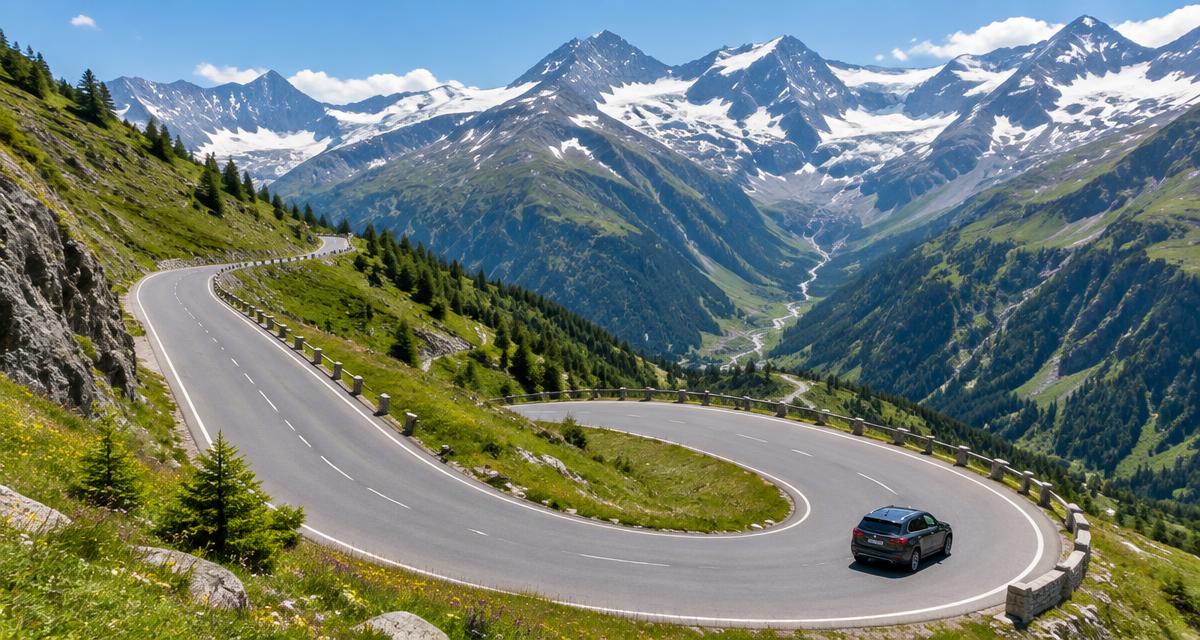
The Alps stretch across France, Switzerland, Italy, Austria, Germany, Liechtenstein and Slovenia, which makes them perfect for a multi-country road trip. Within a single day you can drive over a high pass, drop down to a lake, and eat dinner in a different country. This guide covers the main regions, the kinds of roads to expect and how to shape an itinerary that doesn't turn into a blur of hairpins.
Switzerland
Switzerland packs a remarkable density of passes and scenery into a small country. The central area around the Furka, Grimsel and Susten passes is popular because several classic roads can be linked in a loop. Lakes such as Lucerne, Thun and Geneva make good bases, while Zermatt (car-free, reached by train from Täsch) and the Jungfrau region are well-known highlights.
Swiss motorways require a vignette. Speed limits are strictly enforced, and fines can be high, so it pays to keep an eye on the signs.
Austria
Austria combines wide valleys, lakes and some famous panoramic toll roads, including the Grossglockner High Alpine Road in the Hohe Tauern National Park. Tyrol, Salzburgerland and Carinthia are all good areas to explore. Austrian motorways and expressways need a vignette, and some tunnels and scenic roads charge separate tolls.
Northern Italy
The Italian side offers the Dolomites, with their dramatic rock towers and linked passes around the Sella group, and the Stelvio Pass, one of the most photographed hairpin roads in the Alps. Further south, the Italian Lakes – Como, Garda and Maggiore – add a gentler, Mediterranean feel. Italian motorways use pay-as-you-go tolls, and many historic town centres have restricted traffic zones (ZTL) where unauthorised cars are fined automatically.
France
The French Alps run from Lake Geneva down towards the Mediterranean. The Route des Grandes Alpes links many high passes such as the Col de l'Iseran and Col du Galibier, while Chamonix and Annecy are popular bases. If you're driving from the UK, France is often the gateway to the whole region.
Scenic mountain roads and passes
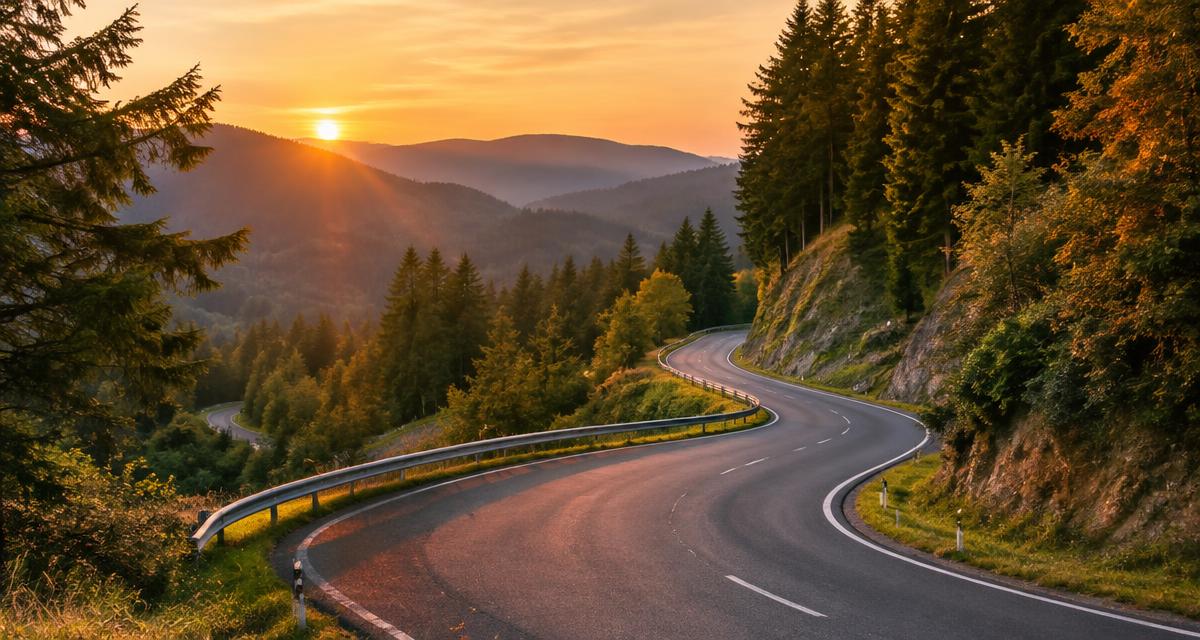
Alpine passes are rewarding but demanding. Many high passes are only open from roughly June to October, depending on snow, and opening dates vary each year – always check before you set off. Expect tight hairpins, steep gradients, cyclists, coaches and motorbikes. Our guide to notable driving roads in Europe describes several passes in more detail.
A 60 km pass can easily take two hours with photo stops. Plan mountain days by time, not distance.
Tolls and vignettes
- Switzerland: annual motorway vignette (available digitally).
- Austria: vignette for motorways and expressways, plus separate tolls for some tunnels and panoramic roads.
- Slovenia: vignette required for motorways.
- France and Italy: distance-based motorway tolls paid at booths or with a tag.
- Germany: no car motorway toll at the time of writing, but low-emission zones apply in many cities.
Rules and prices change, so check the official source for each country before travelling.
Work out what this trip will cost
Fuel, tolls, crossings, hotels and food — calculated for your car.
Plan my road tripSuggested itinerary lengths
- 5–7 days: pick one or two regions, such as Swiss passes plus the Italian Lakes.
- 10–14 days: a loop through France, Switzerland, Austria and the Dolomites with two- or three-night bases.
- 3 weeks or more: a relaxed grand tour, adding Slovenia or the Bavarian Alps and more rest days.
From the UK, add roughly two days each way to reach the Alps by car, depending on your crossing and pace.
Practical driving advice
- Use lower gears on long descents to avoid overheating your brakes.
- On narrow mountain roads, vehicles going uphill generally have priority; follow local signs and postbus rules in Switzerland.
- Fill up before long pass sections – fuel stations can be sparse.
- Carry layers: temperatures at the top of a pass can be far colder than in the valley.
- Winter equipment rules apply in parts of the Alps in colder months.
- Larger vans and motorhomes should check width, height and length restrictions on some passes.
How to plan multiple stops
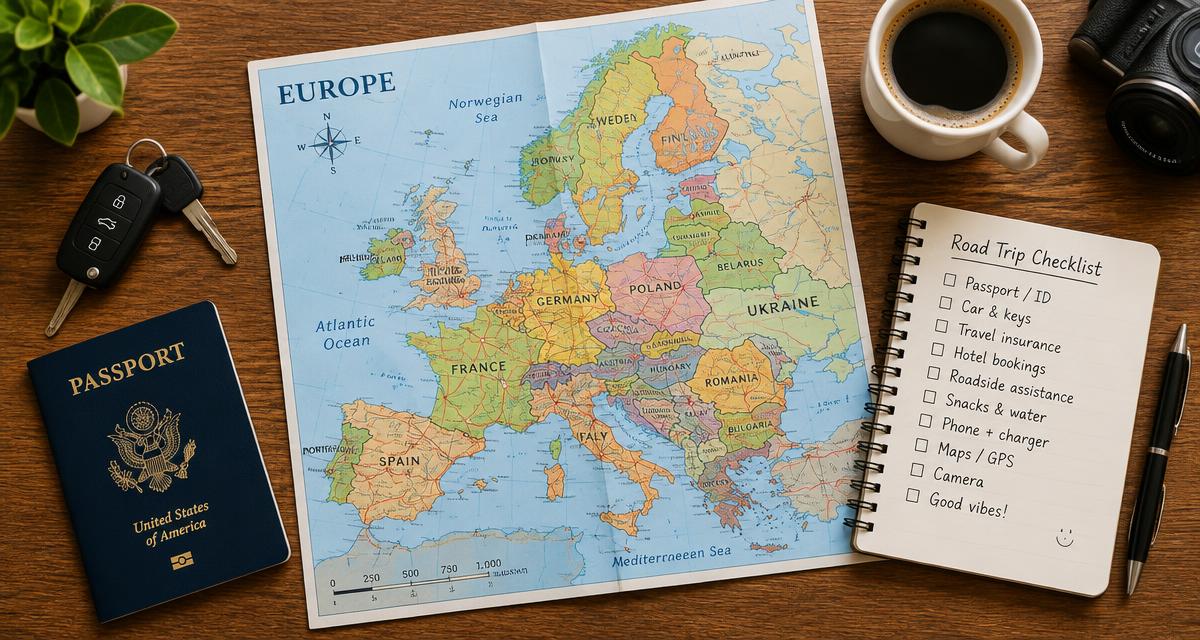
The best Alpine trips use a few bases rather than a new hotel every night. Choose bases a few hours apart, spend at least two nights at each, and do day loops over the passes without luggage. Add these bases as stops in the A2B trip planner to see realistic driving times between them, fuel by country, and vignette and toll costs. For the wider checklist, see how to plan a European road trip.